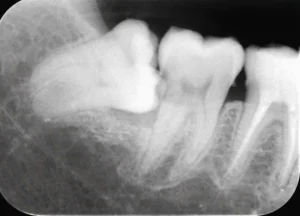

What to do if you have a toothache
May 29, 2026
Toothache can appear suddenly and vary in intensity. It may feel dull, sharp, or throbbing, be triggered by hot or…
Dental crowns and veneers are modern solutions used in cosmetic and restorative dentistry. Both can significantly improve the appearance of a smile, but they differ in their purpose, coverage, and the situations in which they are recommended.
A veneer primarily changes the appearance of the front surface of a tooth, while a crown covers the entire tooth and restores not only its appearance but also its strength and function.
A dental crown is a fixed restoration that covers the entire visible surface of a tooth. It is mainly used when a tooth is significantly weakened or damaged, or when its original shape and function need to be restored.
A dentist may recommend a crown, for example:
Modern crowns are made from strong, highly aesthetic materials, most commonly ceramic. They can closely replicate the colour, shape, and translucency of a natural tooth.
A dental veneer is a thin ceramic shell bonded to the front surface of a tooth. Its main purpose is to improve the appearance of the smile while preserving as much of the natural tooth structure as possible.
Veneers can be used to improve:
Veneers are most commonly applied to front teeth that are healthy or only slightly damaged. However, they are not suitable for every patient. Their suitability depends on factors such as the bite, the condition of the enamel, and the overall health of the teeth.
The choice between a crown and a veneer depends on the condition of the individual tooth, the extent of the damage, the patient’s bite, their aesthetic expectations, and the long-term treatment plan.
A veneer may be suitable for a healthy tooth that mainly requires cosmetic improvement. However, if the tooth is significantly weakened, cracked, or has undergone root canal treatment, a crown is often the safer option.
The most appropriate solution should therefore always be determined by a dentist following a detailed examination, any necessary X-ray diagnostics, and a consultation with the patient.
The aim of modern dentistry is not only to create a more attractive smile, but also to achieve a natural, healthy, and long-lasting functional result.
when a tooth is extensively damaged or has a large filling;following root canal treatment;when a tooth is cracked or part of it has broken off;when a tooth is severely worn;as a replacement tooth supported by a dental implant.
Modern crowns are made from strong, highly aesthetic materials, most commonly ceramic. They can closely replicate the colour, shape, and translucency of a natural tooth.What is a dental veneer?A dental veneer is a thin ceramic shell bonded to the front surface of a tooth. Its main purpose is to improve the appearance of the smile while preserving as much of the natural tooth structure as possible.Veneers can be used to improve:
tooth discolouration;minor misalignment;gaps between teeth;irregular or unsuitable tooth shape;minor chips or wear affecting the front teeth.
Veneers are most commonly applied to front teeth that are healthy or only slightly damaged. However, they are not suitable for every patient. Their suitability depends on factors such as the bite, the condition of the enamel, and the overall health of the teeth.The main differences between a crown and a veneerDental crown
covers the entire tooth;restores function, strength, and appearance;is suitable for significantly damaged or weakened teeth;usually requires more extensive preparation of the tooth;provides high strength and long-term stability.
Dental veneer
covers only the front surface of the tooth;focuses primarily on appearance;is suitable for minor changes to tooth shape or colour;generally requires less removal of natural tooth structure;is mainly used on the front teeth.
How to choose the right solutionThe choice between a crown and a veneer depends on the condition of the individual tooth, the extent of the damage, the patient’s bite, their aesthetic expectations, and the long-term treatment plan.A veneer may be suitable for a healthy tooth that mainly requires cosmetic improvement. However, if the tooth is significantly weakened, cracked, or has undergone root canal treatment, a crown is often the safer option.The most appropriate solution should therefore always be determined by a dentist following a detailed examination, any necessary X-ray diagnostics, and a consultation with the patient.
The aim of modern dentistry is not only to create a more attractive smile, but also to achieve a natural, healthy, and long-lasting functional result.