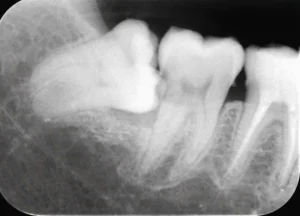

Wisdom teeth: when is removal recommended?
May 29, 2026
Wisdom teeth, also known as third molars, are the last teeth to emerge in the mouth. They most commonly erupt…
Toothache can appear suddenly and vary in intensity. It may feel dull, sharp, or throbbing, be triggered by hot or cold foods, or be accompanied by swelling. It is important not to panic, but also not to delay seeing a dentist unnecessarily.
Pain usually indicates that there is a problem in or around the tooth that is unlikely to resolve without professional treatment. Painkillers may provide temporary relief, but they do not treat the underlying cause.
Toothache may be caused by:
The type of pain may help the dentist identify its cause. A brief response to cold may be linked to sensitivity or early tooth decay, while persistent or throbbing pain may indicate inflammation of the dental pulp.
However, the exact cause can only be determined through a professional examination.
Until you are able to see a dentist, you can take several basic steps:
Always wrap a cold compress in a cloth and apply it only for short periods. Warm compresses are not recommended when swelling or infection is suspected, as they may make the problem worse.
Never place aspirin or any other medication directly on the tooth or gum. This may irritate or burn the soft tissue.
You should arrange an urgent dental examination if you experience:
If the swelling is spreading rapidly, extends towards the neck or eye, or is accompanied by difficulty swallowing or breathing, seek emergency medical care immediately.
The dentist will first ask about the nature and duration of your symptoms. This is followed by a clinical examination and, where necessary, an X-ray, sensitivity testing, or an assessment of your bite.
The treatment will depend on the cause of the pain and may include:
The aim is not only to relieve the pain, but also to remove its cause and preserve the natural tooth whenever possible.
The earlier the cause of the pain is identified, the simpler and less invasive the treatment usually is. A small cavity that could initially be treated with a filling may develop into an infection requiring root canal treatment or extraction if left untreated.
Modern dentistry allows most procedures to be carried out gently and under local anaesthesia. You should therefore not postpone seeing a dentist, even if the pain temporarily improves after taking medication.